We Use CookiesWe use cookies to enhance the security, performance, functionality and for analytical and promotional activities. By continuing to browse this site you are agreeing to our privacy policy

10 Best Woodworking Cutting Tools 2026 in the United States
How do we rank products for you?

Our technology thoroughly searches through the online shopping world, reviewing hundreds of sites. We then process and analyze this information, updating in real-time to bring you the latest top-rated products. This way, you always get the best and most current options available.

headphones-stars

Our Top Picks

#1

Winner

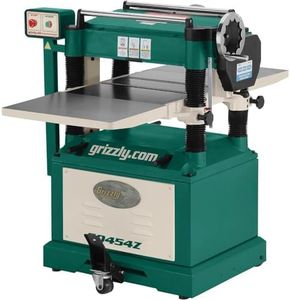
JET Black 20-Inch Thickness Planer for Woodworking, Helical Style Cutterhead with 2-Speed (24 FPM / 31 FPM) Feed Rate, 5 HP, 230V 1Ph (JPW-208HH-BLK)

The JET Black 20-Inch Thickness Planer is a solid choice for woodworkers who need reliable and precise thicknessing for larger boards. It features a helical cutterhead with multiple knife inserts, which typically means smoother cuts and less noise compared to traditional straight knives. The 20-inch cutting width allows you to handle wide boards, ideal for furniture or cabinetry work. Its powerful 5 HP motor and two-speed feed rates offer flexibility between faster material removal and finer finishes.

The positive gear drive with a large handwheel allows for very precise depth adjustments in small 1/16" increments, which is great for achieving consistent thickness without guesswork. The coated cast iron tables resist corrosion and reduce friction, letting wood feed smoothly without needing extra waxing. The welded steel base adds stability, helping to reduce vibration and improve cut quality. On the downside, at 765 pounds, this planer is quite heavy and not very portable, so it suits a dedicated workshop rather than occasional use in different locations. Also, it runs on 230V power, which may require proper wiring in some spaces.

This planer is ideal for serious woodworkers who need high power, precision, and durability for consistent thickness planing on wider boards.

#2

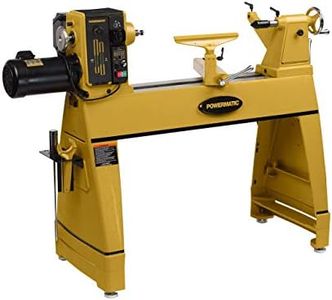
Powermatic 20" x 35" Variable Speed Woodworking Lathe, Reversible Wood Turning Machine, 2 HP, 220V 1Ph (3520C)

Rating
10.0
Adjustability

Most important from
35 reviews

Adjustability
Adjusting and assembling the lathe requires assistance or equipment due to its heaviness, making it best suited for a dedicated workshop space.

The Powermatic 3520C is a powerful 2 HP woodworking lathe designed for serious woodturners who need precision and flexibility. Its variable speed control lets you smoothly adjust from 15 to 3,200 RPM, allowing it to handle everything from delicate small pieces to larger projects. The digital display simplifies indexing, which helps with accurate, repeatable cuts. It also includes adjustable riser blocks that provide up to 4 inches of height adjustment, making it more comfortable to work for extended periods.

The upgraded banjo clamp is sturdy and protects your tools, while the extended spindle gives better access to your workpiece, which is great for bigger items. Made of durable cast iron, the lathe is solid and stable, but it weighs over 700 pounds, making it less portable and more suited to a dedicated workshop space. It runs on 220V power, so you'll need the right electrical setup.

Though it doesn’t have blades or teeth like a saw, its tool rest and included accessories make it versatile for various woodturning tools. This model is a reliable, high-quality lathe with good safety and comfort features, making it an excellent choice for intermediate to advanced woodworkers. However, beginners may find it a bit large and heavy for casual use.

Rating
10.0
Adjustability

Most important from
35 reviews

Adjustability
Adjusting and assembling the lathe requires assistance or equipment due to its heaviness, making it best suited for a dedicated workshop space.
#3

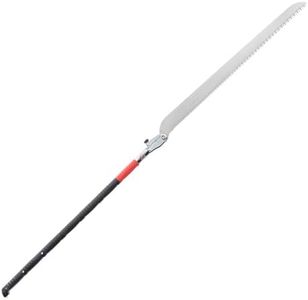
Silky KATANABOY Professional 1000mm Folding Saw XL Teeth (710-99)

Rating
8.2
Blade Material
Tooth Count
Handle Design

Most important from
1307 reviews

Blade Material
Its razor-sharp teeth and sturdy blade maintain durability and cutting performance even after extensive use in tough conditions.
Tooth Count
The blade’s progressive teeth pattern balances aggressive cutting near the handle with smoother finishing cuts toward the tip.
Handle Design
Designed for two-handed use, the rubber-coated handle offers excellent grip and reduces fatigue, allowing for a comfortable, rhythmic cutting experience.
Adjustability
This pull-stroke saw requires some adjustment if you're used to push-style cutting but delivers impressive efficiency once mastered.

The Silky KATANABOY Professional 1000mm Folding Saw is a heavy-duty tool designed for serious woodworking tasks such as cutting large timber or tree trunks. Its 1000mm (39.4") blade made from premium Japanese steel offers a strong but flexible cutting edge, enhanced by electroless nickel plating that helps resist rust and wear. This means the blade stays sharp and durable even with tough use. The blade features 197 large, coarse teeth arranged progressively – more teeth near the handle for aggressive cutting power, and fewer near the tip for smoother finishing cuts. The 2.6mm kerf width (blade thickness) strikes a balance between cutting speed and effort, meaning it removes enough material to cut effectively without requiring excessive force.

The handle is rubber-coated for a comfortable, non-slip grip, designed for two-handed use to give you better control and power. A safety locking system prevents the blade from accidentally folding during use, reducing injury risk. While not adjustable in blade size, the folding design makes it portable and safer to carry around, especially with the included canvas carrying case. The saw is quite large and heavy compared to standard folding saws, so it’s best suited for users needing a robust tool for heavy timber rather than light pruning or detail work.

This saw excels in strength, durability, and cutting capability for demanding woodworking, but might be overkill for casual or fine trimming jobs.

Rating
8.2
Blade Material
Tooth Count
Handle Design

Most important from
1307 reviews

Blade Material
Its razor-sharp teeth and sturdy blade maintain durability and cutting performance even after extensive use in tough conditions.
Tooth Count
The blade’s progressive teeth pattern balances aggressive cutting near the handle with smoother finishing cuts toward the tip.
Handle Design
Designed for two-handed use, the rubber-coated handle offers excellent grip and reduces fatigue, allowing for a comfortable, rhythmic cutting experience.
Adjustability
This pull-stroke saw requires some adjustment if you're used to push-style cutting but delivers impressive efficiency once mastered.

Buying Guide for the Best Woodworking Cutting Tools

Choosing the right woodworking cutting tools is essential for achieving precise and high-quality results in your projects. The right tool can make your work easier, safer, and more enjoyable. When selecting woodworking cutting tools, consider the type of projects you plan to undertake, the materials you will be working with, and your skill level. Here are some key specifications to consider when choosing woodworking cutting tools.
Blade MaterialThe material of the blade is crucial because it determines the durability and sharpness of the tool. Common materials include high-speed steel (HSS), carbide, and carbon steel. HSS is durable and retains sharpness well, making it suitable for general use. Carbide blades are harder and stay sharp longer, ideal for cutting hardwoods and abrasive materials. Carbon steel is less expensive but requires more frequent sharpening. Choose a blade material based on the type of wood you will be cutting and how often you are willing to sharpen the blade.
Tooth CountThe number of teeth on a blade affects the smoothness and speed of the cut. Blades with fewer teeth (e.g., 24-40) cut faster and are better for rough cuts, while blades with more teeth (e.g., 60-80) provide smoother, finer cuts. For general woodworking, a blade with a medium tooth count (e.g., 40-60) offers a good balance. Consider the finish you want on your cuts and the type of wood you are working with when selecting the tooth count.
Blade SizeBlade size, typically measured in inches, determines the depth and capacity of the cut. Common sizes include 7-1/4 inches for circular saws and 10-12 inches for table saws. Larger blades can make deeper cuts and are suitable for bigger projects, while smaller blades are more maneuverable and better for detailed work. Choose a blade size that matches the scale of your projects and the type of saw you are using.
Kerf WidthKerf width refers to the thickness of the cut made by the blade. A thinner kerf means less material is removed, resulting in less waste and requiring less power from the saw. Thin kerf blades are ideal for fine woodworking and precision cuts, while standard kerf blades are more robust and suitable for heavy-duty cutting. Consider the precision required for your projects and the power of your saw when selecting the kerf width.
Handle DesignThe design of the handle is important for comfort and control. Ergonomic handles reduce hand fatigue and provide a better grip, which is essential for extended use. Look for handles with non-slip materials and a shape that fits comfortably in your hand. If you plan to use the tool for long periods, prioritize comfort and ergonomics to prevent strain and improve accuracy.
AdjustabilitySome cutting tools offer adjustable features, such as depth and angle settings. These adjustments allow for greater versatility and precision in your cuts. For example, a saw with adjustable depth can make shallow cuts for grooves or deeper cuts for through-cuts. Consider the types of cuts you need to make and whether adjustability will enhance your ability to complete your projects accurately.

FAQ