We Use CookiesWe use cookies to enhance the security, performance, functionality and for analytical and promotional activities. By continuing to browse this site you are agreeing to our privacy policy

10 Best Zoom Cameras 2026 in the United States
How do we rank products for you?

Our technology thoroughly searches through the online shopping world, reviewing hundreds of sites. We then process and analyze this information, updating in real-time to bring you the latest top-rated products. This way, you always get the best and most current options available.

headphones-stars

Our Top Picks

#1

Winner

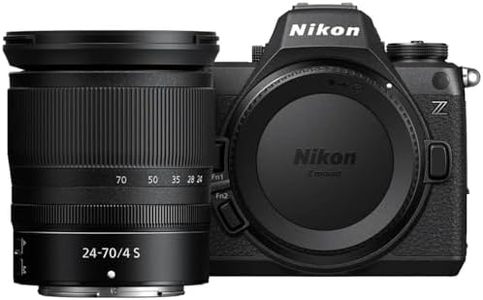
Nikon Z6 III with 24-70mm f/4 Lens | Full-Frame mirrorless Stills/Video Camera with 6K/60p Internal RAW Recording | Nikon USA Model

Rating
10.0
Chosen by1,412
Autofocus System
Video Capabilities
Battery Life

Most important from
48 reviews

Autofocus System
The autofocus is impressively fast and responsive, delivering sharp focus even in challenging conditions.
Video Capabilities
This camera combines professional-grade quality with versatile functionality for both stills and video.
Battery Life
Battery life is average, so carrying spare batteries is advisable for extended shooting sessions.
Size and Weight
The weight is noticeable compared to cropped sensor cameras but remains manageable for everyday use.

The Nikon Z6 III with its 24-70mm f/4 lens is a versatile full-frame mirrorless camera that suits both photography and video enthusiasts who want strong performance in a moderately zoom-capable camera. Its 3x optical zoom covers a useful focal range from wide-angle (24mm) to short telephoto (70mm), which is great for everyday shooting but may feel limited if you need longer zoom reach. With a 24.5-megapixel full-frame sensor, it delivers sharp, detailed images and good low-light performance thanks to a wide ISO range, making it reliable in various lighting conditions.

The camera’s autofocus system is fast and intelligent, with 299 focus points and improved subject recognition aided by Nikon's Deep Learning technology. This ensures sharp focus even in challenging scenes or low light. Image stabilization is built-in via sensor-shift, helping reduce blur from hand shake, which is helpful when shooting at longer focal lengths or slower shutter speeds. For video, the Z6 III is impressive: it supports high-quality internal 6K RAW recording at 60 fps and can handle slow motion at up to 240 fps in Full HD. This makes it a solid option for creative videography as well as stills. The electronic viewfinder is bright and detailed, offering a clear view even in bright sunlight, which is a big plus for outdoor shooting.

Some limitations include the zoom range, which might be on the short side if you want to photograph distant subjects, and the lens’s maximum aperture of f/4, which is less suited for very low light or blurred background effects compared to faster lenses. The camera weighs about 2.6 pounds with the lens, making it a bit heavier than some mirrorless alternatives, which could be a consideration if you want something lighter for travel. Battery life is average for a full-frame mirrorless, so having spare batteries is recommended for longer sessions. The Nikon Z6 III is a solid, well-rounded zoom camera for photographers and videographers who want high image quality, reliable autofocus, and strong video features packed into a single system, especially if 3x optical zoom fits their shooting style.

Rating
10.0
Chosen by1,412
Autofocus System
Video Capabilities
Battery Life

Most important from
48 reviews

Autofocus System
The autofocus is impressively fast and responsive, delivering sharp focus even in challenging conditions.
Video Capabilities
This camera combines professional-grade quality with versatile functionality for both stills and video.
Battery Life
Battery life is average, so carrying spare batteries is advisable for extended shooting sessions.
Size and Weight
The weight is noticeable compared to cropped sensor cameras but remains manageable for everyday use.
#2

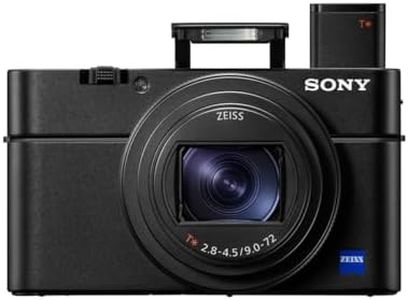
Sony RX100 VII Premium Compact Camera with 1.0-Type Stacked CMOS Sensor (DSCRX100M7), Black

Rating
9.7
Optical Zoom
Megapixels
Image Stabilization

Most important from
584 reviews

Optical Zoom
The 200mm zoom capabilities in a pocket-sized camera body offer extreme portability.
Megapixels
At $1200, the 20MP pocket camera with 4K recording and audio input is worth every penny.
Image Stabilization
The steady shot feature works great, providing stable video even while walking.
Autofocus System
The new advanced Real-time Tracking and Real-time Eye AF are impressive features.
Video Capabilities
At $1200, the 20MP pocket camera with 4K recording and audio input is worth every penny.
Size and Weight
The camera's size and portability make it perfect for frequent travelers.

The Sony RX100 VII is a powerful compact camera that offers a range of features suited for both amateur photographers and professionals. It boasts a 20.1 MP, 1.0-type stacked CMOS sensor which ensures high-quality images. The camera's Zeiss Vario Sonnar T 24-200mm high magnification zoom lens with an f/2.8-4.5 aperture range provides impressive optical zoom capabilities, making it versatile for various shooting scenarios.

Image stabilization (optical and digital) aids in capturing sharp images and smooth videos, even in handheld situations, which is particularly useful for 4K video recording. The autofocus system is highly advanced, with 357 focal plane phase-detection points and 425 contrast-detection points, providing fast and accurate focusing. Furthermore, it features real-time tracking and eye AF for humans and animals, enhancing its usability for both stills and video shooting.

The camera supports high-speed continuous shooting up to 20 fps, allowing users to capture fast-moving subjects effectively. Video capabilities are robust with 4K recording, S-Log3, and interval shooting, along with a microphone jack for audio input, catering well to vloggers and content creators. However, its battery life, with a capacity of 1240 mAh, might require carrying spare batteries for extended shoots. Weighing 275 grams, it is lightweight and portable, but some users may find the plethora of features a bit overwhelming. The lack of a night vision feature might be a downside for those needing low-light performance. Despite these limitations, the Sony RX100 VII stands out for its compact size, powerful zoom, and advanced features, making it an excellent choice for travel and everyday photography.

Rating
9.7
Optical Zoom
Megapixels
Image Stabilization

Most important from
584 reviews

Optical Zoom
The 200mm zoom capabilities in a pocket-sized camera body offer extreme portability.
Megapixels
At $1200, the 20MP pocket camera with 4K recording and audio input is worth every penny.
Image Stabilization
The steady shot feature works great, providing stable video even while walking.
Autofocus System
The new advanced Real-time Tracking and Real-time Eye AF are impressive features.
Video Capabilities
At $1200, the 20MP pocket camera with 4K recording and audio input is worth every penny.
Size and Weight
The camera's size and portability make it perfect for frequent travelers.
#3

Sony Alpha 6700 – APS-C Interchangeable Lens Camera with 26 MP Sensor, 4K Video, AI-Based Subject Recognition, Log Shooting, LUT Handling and Vlog Friendly Functions and 18-135mm Zoom Lens

Rating
9.7
Image Stabilization
Autofocus System
Video Capabilities

Most important from
112 reviews

Image Stabilization
The in-body image stabilization adds extra stability, resulting in sharper photos even with lenses that already have OSS.
Autofocus System
The focus ability is insane, working quickly and almost always spot-on with fast-moving targets.
Video Capabilities
Overheating can be an issue, particularly during continuous 4K 60fps shooting, lasting about 40 minutes.
Size and Weight
It's very portable, making it ideal for all-day shooting while walking around town.

The Sony Alpha 6700 is a versatile APS-C interchangeable lens camera that shines in both photography and videography, making it a great choice for enthusiasts and professionals alike. With its 26 MP sensor and exceptional BIONZ XR processing power, it delivers impressive image quality, vibrant colors, and good low-light performance. The AI-based subject recognition feature enhances its autofocus system, allowing for accurate tracking of moving subjects—ideal for capturing fast-paced action or during vlogging sessions.

Video capabilities are standout features for this camera. It supports 4K video recording at various frame rates, including 120p, which is perfect for slow-motion effects. The camera also allows for advanced video formats, catering to filmmakers looking for quality and flexibility in their projects.

The 18-135mm zoom lens adds to its appeal, offering a wide range of focal lengths suitable for various shooting scenarios, from landscapes to portraits. Additionally, the sensor-shift image stabilization helps to reduce camera shake, ensuring smoother video and sharper images, particularly when shooting handheld. While the Alpha 6700 has a lot to offer, there are a few considerations to keep in mind. Its relatively higher price point may not be suitable for casual users or beginners who might find it overwhelming. Additionally, the camera's weight of 1.6 pounds may be on the heavier side for some users, especially when paired with additional lenses and accessories.

Battery life is decent but can vary significantly depending on usage, especially during extensive video recording sessions. Users may need to invest in extra batteries for longer shoots. Finally, the camera is geared more towards professionals, which may pose a challenge for those who are not as familiar with advanced camera settings and features.

The Sony Alpha 6700 is a robust camera that meets the needs of serious photographers and videographers looking for superior performance and versatility, although beginners might find it a bit complex and expensive.

Rating
9.7
Image Stabilization
Autofocus System
Video Capabilities

Most important from
112 reviews

Image Stabilization
The in-body image stabilization adds extra stability, resulting in sharper photos even with lenses that already have OSS.
Autofocus System
The focus ability is insane, working quickly and almost always spot-on with fast-moving targets.
Video Capabilities
Overheating can be an issue, particularly during continuous 4K 60fps shooting, lasting about 40 minutes.
Size and Weight
It's very portable, making it ideal for all-day shooting while walking around town.

Buying Guide for the Best Zoom Cameras

When choosing a zoom camera, it's important to consider your specific needs and how you plan to use the camera. Whether you're a professional photographer, a hobbyist, or someone who just wants to capture memories, understanding the key specifications will help you make an informed decision. Here are the main specs to consider and how to navigate them to find the best fit for you.
Optical ZoomOptical zoom refers to the camera's ability to magnify the image using its lens, without losing image quality. This is crucial for capturing distant subjects clearly. Optical zoom is measured in 'x' (e.g., 10x, 20x). For casual use, a zoom range of 10x to 20x is usually sufficient. For wildlife or sports photography, you might need 30x or higher. Consider what you'll be photographing most often to determine the right zoom level for you.
Sensor SizeThe sensor size affects the image quality, especially in low light conditions. Larger sensors generally produce better images. Common sensor sizes include 1/2.3-inch, 1-inch, APS-C, and full-frame. For everyday photography, a 1/2.3-inch or 1-inch sensor is typically adequate. If you need higher quality images, especially in low light, consider APS-C or full-frame sensors. Think about where and when you'll be taking photos to decide on the sensor size.
MegapixelsMegapixels (MP) indicate the resolution of the camera's sensor. Higher megapixels mean more detail in your photos, which is important for large prints or cropping images. Most modern cameras offer between 12MP and 24MP, which is sufficient for most users. If you plan to print large photos or need to crop images frequently, look for cameras with 20MP or more. For general use, 12MP to 16MP is usually enough.
Image StabilizationImage stabilization helps reduce blur caused by camera shake, which is especially useful when using high zoom levels or shooting in low light. There are two types: optical and digital. Optical stabilization is generally more effective. If you often shoot handheld or in challenging conditions, prioritize cameras with good optical image stabilization. For casual photography, basic stabilization features may suffice.
Autofocus SystemThe autofocus system determines how quickly and accurately the camera can focus on a subject. This is important for capturing sharp images, especially of moving subjects. Look for cameras with multiple autofocus points and fast focusing speeds. For action or wildlife photography, a sophisticated autofocus system with many points and tracking capabilities is beneficial. For everyday use, a simpler system with fewer points may be adequate.
Video CapabilitiesIf you plan to shoot videos, consider the camera's video resolution and frame rates. Common resolutions include Full HD (1080p) and 4K. Higher resolutions provide better video quality. Frame rates like 30fps and 60fps affect how smooth the video appears. For casual video recording, 1080p at 30fps is usually sufficient. For higher quality or professional use, look for 4K capabilities and higher frame rates. Think about how often and what type of videos you'll be recording.
Battery LifeBattery life is important for how long you can use the camera before needing to recharge. It's usually measured in the number of shots per charge. For casual use, a battery life of 300-400 shots is typically enough. For extended shooting sessions, such as travel or events, look for cameras with 500 shots or more per charge. Consider how long you'll be using the camera in one go to determine the necessary battery life.
Size and WeightThe size and weight of the camera affect its portability and ease of use. Smaller, lighter cameras are easier to carry around, making them ideal for travel and everyday use. Larger, heavier cameras often offer more features and better ergonomics for professional use. Think about how you'll be using the camera and whether you need something compact and portable or if you can manage a bulkier, feature-rich model.

FAQ